In Turkey, the judiciary and government have the power to censor journalists. Censorship in Turkey is carried out in all three ways that we discussed in class: pre-censorship, post-censorship, and self-censorship.
One method of post-censorship is imprisonment. Imprisonment for journalists in Turkey is a long process. The imprisonment process is intentionally slow to further intimidate journalists and guarantee censorship. An article from Reporters Without Borders articulates the methods that Turkey needs to take in order to lower the amount of journalists who are wrongfully imprisoned. One recommendation directly speaks to the unfair lengthy indictment process:
“(2.) The judiciary in Turkey must require public prosecutors to produce indictments in a timely manner, especially in cases where the defendant is held in pretrial detention. Evidence in indictments against journalists must be required to be proven beyond reasonable doubt of criminal activity.”
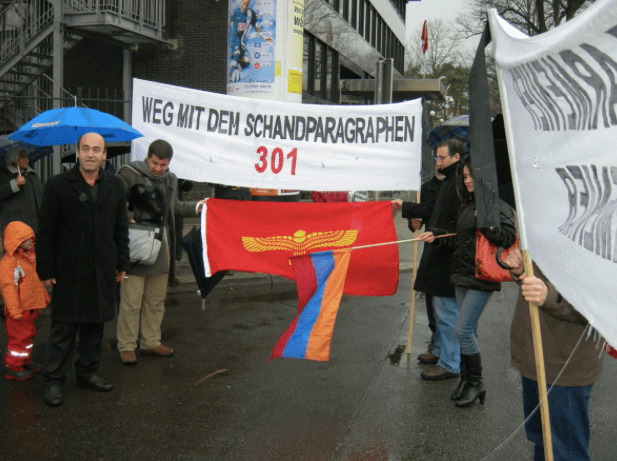
Various government institutions throughout Turkey censor journalism on anti-state or terrorist charges. Journalists who write pro-Kurdish materia, question the government, Prime Minister Recep Tayyip Erdoğan, military, are all considered guilty of terrorism, anti-state actions, or insulting Turkishness.
Many journalists have also been jailed due to speculation that they are linked with the Ergenekon conspiracy. The Ergenekon conspiracy is a “vast plot aimed at overthrowing the government through a military coup.” It is believe that journalists use their medium to spread fake news stories to create chaos within society to make a military coup possible. Ahmet Şık and Nedim Şener were two reporters who were accused of working for the Ergenekon plot. Instead, Şık was writing about the influence of the Islamic Fethullah Gulen movement, an outlawed ideology that calls for a civil society through universal education and the spread of peace. This charge is a direct example of post-censorship: the government is using their power and legitimacy to open an investigation and eventually prosecute these reporters due to the subject of their reporting. The Islamic Fethullah Gulen movement is illegal in Turkey, so to report on it would fall on the grounds of anti-state actions and possibly terrorism as this institution may threaten the Turkish government.
Sources:
https://cpj.org/reports/2012/10/turkeys-press-freedom-crisis-summary.php
https://cpj.org/reports/2012/10/turkeys-press-freedom-crisis-summary.php
 Media and Politics in Turkey